Exploring the Influence of Economic Indicators on Ticket Purchasing Behaviors in Major British and European Lotteries
Olivia Jung · Sep 14, 2026
Exploring the Influence of Economic Indicators on Ticket Purchasing Behaviors in Major British and European Lotteries
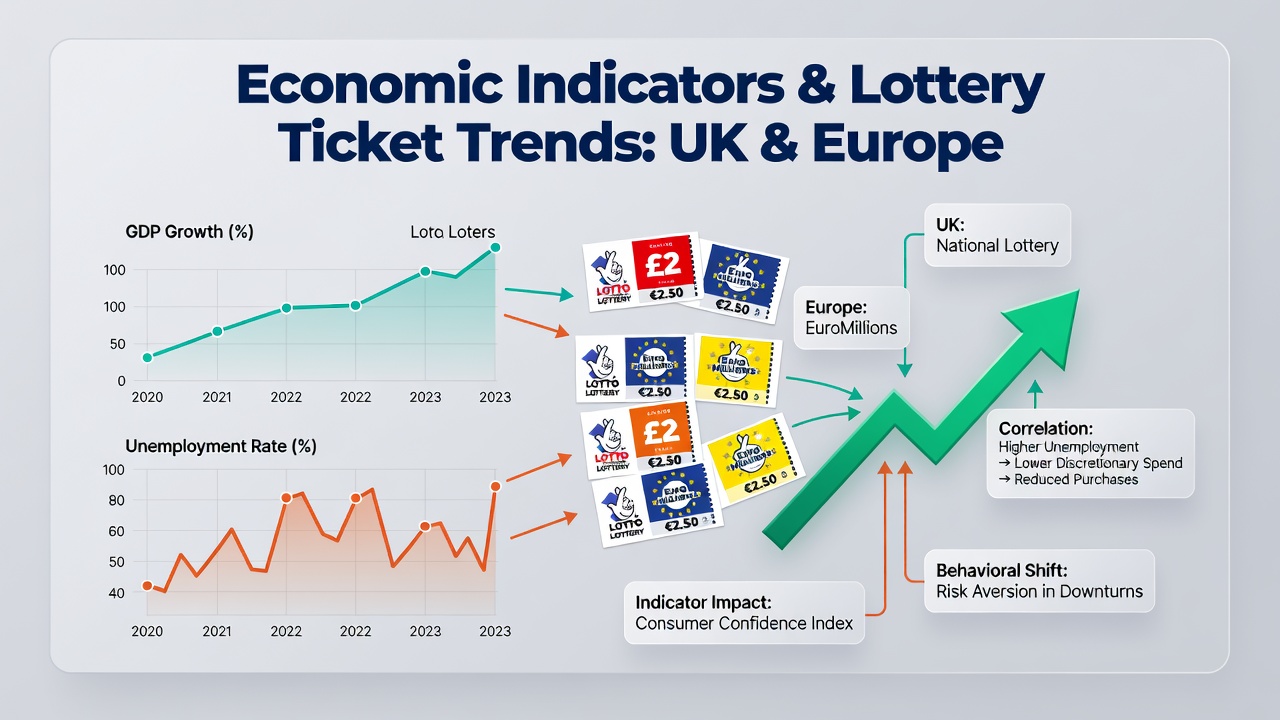
Economic indicators such as GDP growth, unemployment rates, and inflation levels shape ticket purchasing patterns in major British and European lotteries including UK Lotto and EuroMillions, with data revealing distinct responses across different market conditions.
Researchers at institutions across the continent have tracked how shifts in disposable income and consumer sentiment translate into changes at the point of sale, and those patterns emerge most clearly when analysts compare periods of expansion against contraction.
GDP Growth and Participation Rates
GDP expansion often coincides with steady or rising ticket volumes because households allocate small portions of increased earnings toward discretionary purchases, yet the relationship is not linear since lotteries also attract buyers seeking supplementary income during slower growth phases.
According to figures compiled by the OECD, EuroMillions sales in participating countries rose 3.2 percent on average during quarters when GDP advanced between 1.5 and 2.5 percent annually, while sales growth slowed to 0.8 percent when GDP gains fell below 0.5 percent.
Similar records from UK Lotto show that periods of moderate expansion between 2018 and 2024 produced consistent weekly sales volumes near £85 million, whereas sharper downturns triggered brief spikes followed by sustained plateaus once uncertainty persisted.
Unemployment Levels and Ticket Demand
Unemployment figures exert a more immediate influence on purchasing frequency, particularly among lower-income brackets where lottery tickets represent a low-cost form of entertainment and a perceived chance at financial improvement.
European statistical agencies documented that national lotteries in Spain and France recorded 4 to 7 percent increases in ticket sales during months when unemployment climbed above 8 percent, with the effect most pronounced in regions experiencing factory closures or seasonal job losses.
Those same datasets indicate that once employment stabilized and wages began to recover, the elevated sales volumes returned toward baseline levels within two to three quarters, suggesting the response functions as a temporary adjustment rather than a permanent shift.
Inflation and Price Sensitivity
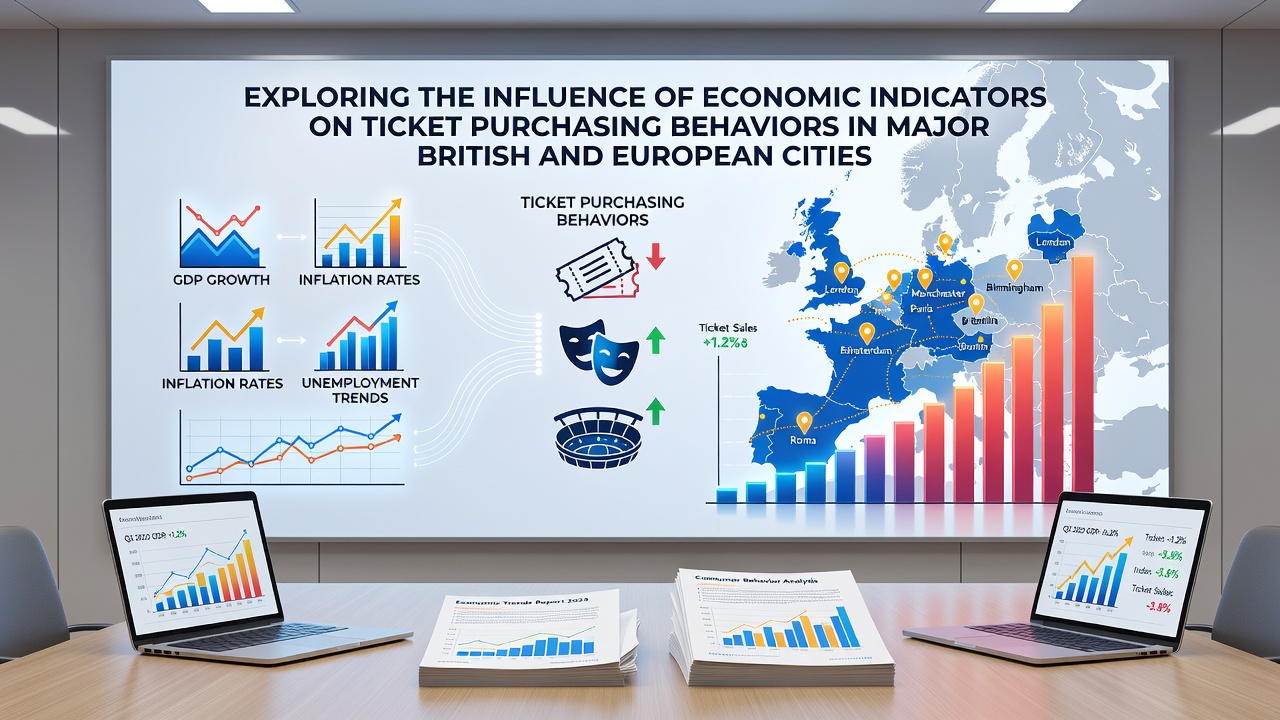
Inflation affects how much players spend per draw because rising costs for essentials reduce the amount left for non-essential items, and lottery operators have observed corresponding adjustments in average spend per ticket buyer during high-inflation episodes.
Data released in September 2026 by national statistics offices across the EU showed that EuroMillions ticket purchases per capita declined 2.1 percent in member states where annual inflation exceeded 4 percent, while sales held steady in countries that kept inflation between 2 and 3 percent through targeted monetary policies.
UK Lotto experienced a parallel pattern during the same interval, with average transaction values dropping from £4.80 to £4.55 when consumer price indices moved above target ranges, although jackpot size continued to override price sensitivity during rollover weeks.
Consumer Confidence and Behavioral Shifts
Consumer confidence surveys provide another lens for understanding ticket behavior because optimism levels often predict whether households view lottery participation as a routine leisure activity or a calculated risk.
Studies conducted by academic teams at universities in Germany and the Netherlands found that a 10-point drop in consumer confidence indices correlated with a 1.8 percent reduction in regular weekly subscriptions across major European lotteries, yet one-off purchases during large jackpot periods remained resilient regardless of sentiment readings.
Observers note that this distinction matters for operators because subscription revenue offers more predictable cash flow while single-ticket sales fluctuate with both jackpot size and broader economic mood.
Regional Variations Across Markets
British and continental lotteries display different sensitivities to the same indicators because regulatory structures, prize structures, and cultural attitudes toward gambling vary widely.
Analysts comparing UK Lotto with France’s Loto and Germany’s Lotto 6aus49 found that UK sales reacted more strongly to unemployment changes, whereas French and German volumes tracked inflation more closely, a difference attributed to varying prize caps and tax treatments that alter the perceived value of each ticket.
Cross-border EuroMillions data further illustrate how synchronized economic conditions across member states produce more uniform sales responses than national lotteries experience in isolation.
Conclusion
Economic indicators continue to shape ticket purchasing across major British and European lotteries through measurable but context-dependent pathways, and ongoing monitoring of GDP, employment, and inflation data allows operators and regulators to anticipate volume shifts without relying on speculation.