Behind the Scenes of Lottery Result Certification Processes in Britain and Continental Europe
Olivia Jung · Nov 23, 2026
Behind the Scenes of Lottery Result Certification Processes in Britain and Continental Europe
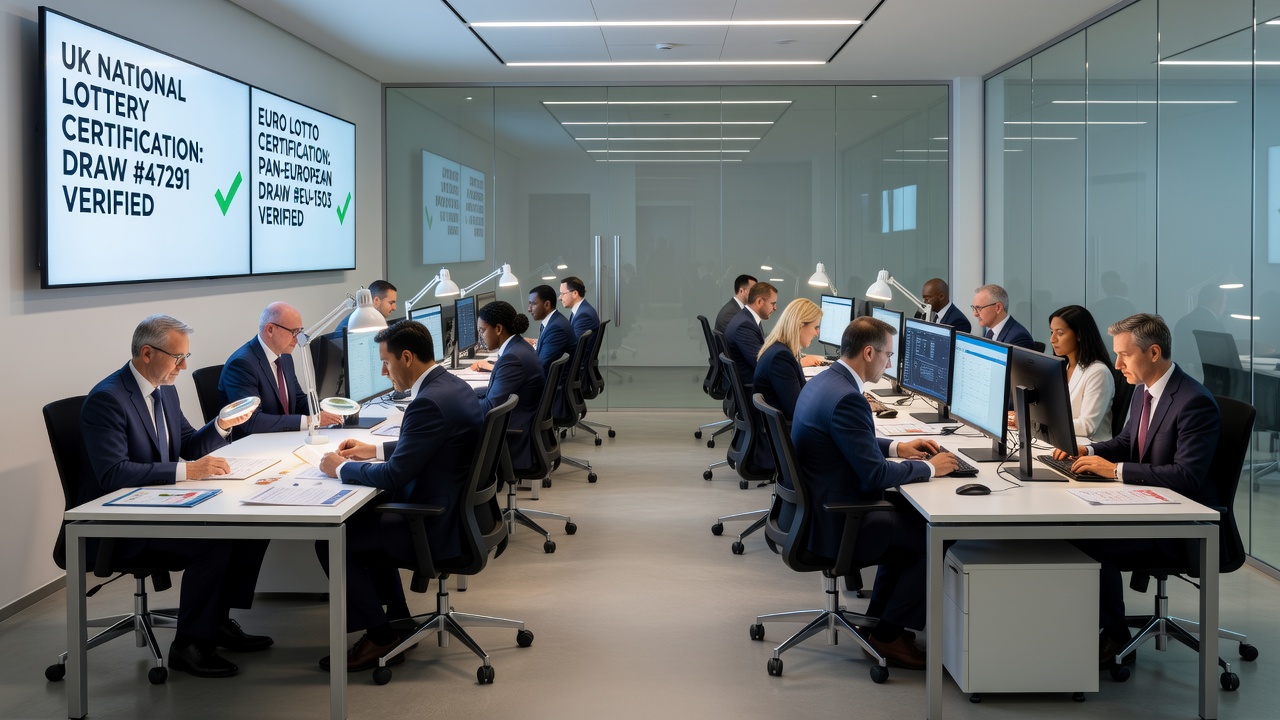
Certification of lottery results in Britain and across continental Europe involves multiple layers of technical checks, independent oversight, and standardized protocols that ensure each draw meets regulatory requirements before numbers reach the public. Operators run pre-draw equipment inspections, seal machines, and document every step while external verifiers observe the entire sequence from start to finish, and these procedures apply equally to physical ball systems used in many national draws and to certified random number generators deployed in others.
Pre-Draw Preparation and Equipment Validation
Technicians begin each certification cycle by calibrating draw machines or testing software algorithms against approved standards, and they record serial numbers, seal integrity, and environmental conditions in logs that auditors later cross-reference. In Britain the National Lottery maintains separate verification teams for Lotto and EuroMillions, while operators in France, Spain, and Germany follow comparable routines under their own national frameworks; data shows that machines undergo both routine and surprise inspections to confirm they produce unbiased outcomes within accepted statistical tolerances.
Observers note that certification bodies require documented chain-of-custody records for every ball set or digital seed, and these records travel with the equipment until results receive final approval. When November 2026 draws occur, the same sequence of inspections, sealing, and independent witnessing will apply without deviation from established timetables.
Independent Oversight During the Draw
External auditors attend every live draw, verify that seals remain intact, confirm participant identities, and witness the extraction or generation of winning numbers before counters sign attestation forms. Gaming Laboratories International and similar testing firms provide the technical certification for both hardware and software systems, while national regulatory offices in each jurisdiction receive copies of the signed documents immediately after the event concludes. Research from the European Lotteries association indicates that this multi-party attendance model reduces discrepancies to near zero across thousands of annual draws.

Continental operators often coordinate with pan-European standards bodies for EuroMillions and EuroJackpot, yet each country retains its own final sign-off authority; the result is a layered system in which British procedures align closely with those in Belgium, the Netherlands, and Portugal while still reflecting local legal requirements. Figures from industry reports reveal that draws using physical balls and those using certified RNGs follow identical witnessing rules even though their underlying technologies differ.
Post-Draw Verification and Result Publication
After numbers are drawn or generated, auditors compare the outcome against the sealed records and run statistical checks to confirm no anomalies exceed predefined thresholds, and only after these checks pass does the operator release results to retailers and online platforms. In Britain the process includes an additional review by the designated lottery operator's compliance department before numbers appear on official channels, whereas continental lotteries frequently route the same verification through state-appointed notaries or independent notarial offices. Those who've examined archived certification files note that the time between draw completion and public announcement typically stays under thirty minutes when all parties are present and prepared.
Archiving follows immediately, with digital copies stored in multiple secure locations and physical documents retained for regulatory audit periods that range from five to ten years depending on the jurisdiction. Data from the World Lottery Association shows that this dual-storage approach has preserved complete records for every major European draw since the introduction of EuroMillions in 2004.
Conclusion
The certification framework operating in Britain and continental Europe combines technical validation, independent observation, and documented accountability at every stage, and these measures continue without interruption through scheduled draws such as those planned for November 2026. The system relies on consistent application of standards across physical and digital methods, supported by external laboratories and national oversight bodies that operate under distinct yet compatible rules. As a result, published results reflect verified outcomes rather than unconfirmed claims, and the same procedural discipline applies whether the draw occurs in London, Paris, Madrid, or Frankfurt.